Journey with us on A Mystical Odyssey in Bhutan (12 - 18 March '23).
+
This 5D4N journey through Matsumoto and Kanazawa offers a thoughtful exploration of Japan’s cultural heartland, where heritage is not curated for spectacle but quietly preserved in daily life. Framed by the Japanese Alps and the Sea of Japan, these two cities reveal a different rhythm from Tokyo or Kyoto. Here, craftsmanship, seasonal cuisine and samurai legacy remain woven into the urban fabric. In Matsumoto, a striking black castle stands watch over merchant streets scented with fermenting miso and clear mountain air. In Kanazawa, refined gardens, gold leaf ateliers and preserved samurai residences speak of a prosperous feudal past that continues to shape the present. Throughout the journey, understated boutique stays and carefully arranged private experiences allow space to appreciate detail, texture and atmosphere.
This journey outline is by no means fixed. As the traveller takes centre stage in our planning – from the type of lodging to daily activities – your journey will be crafted to suit you.
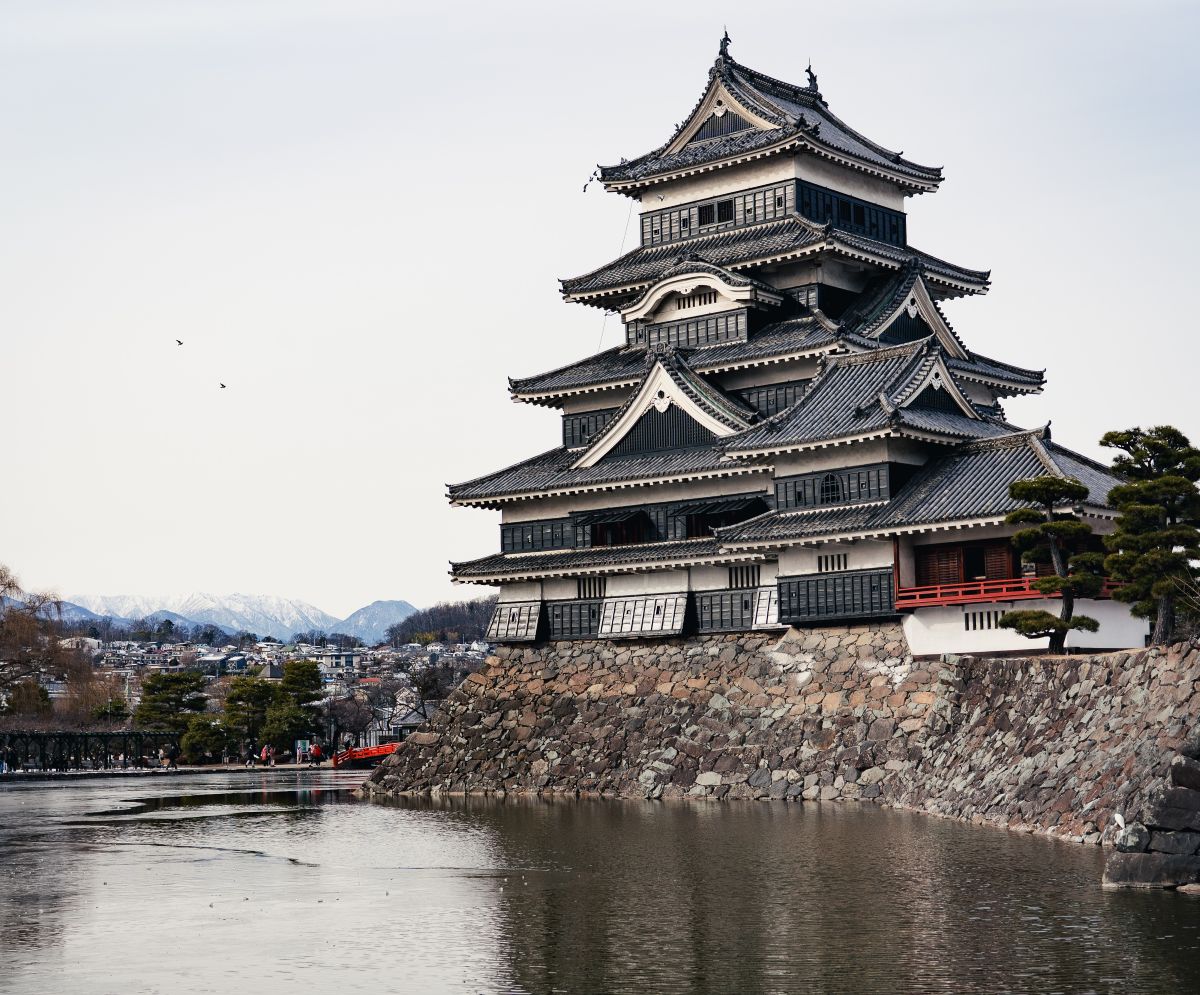
This morning, make your way to Shinjuku Station in Tokyo. From here, board the JR Limited Express Azusa, which travels directly to Matsumoto in approximately 2.5 to 3 hours. The journey is comfortable and scenic, gradually leaving the capital behind as the landscape opens into valleys and mountain ranges. Upon arrival in Matsumoto, transfer to the beautiful Satoyama Villa Honjin via a private transfer, an intimate countryside retreat set amidst peaceful rural surroundings just outside the city. Your first visit is to Matsumoto Castle, one of Japan’s few remaining original castles and designated a National Treasure. Unlike many reconstructed fortresses across the country, Matsumoto Castle retains its original wooden interiors and steep staircases. Its distinctive black lacquered exterior is beautifully reflected in the surrounding moat, creating one of Japan’s most striking castle silhouettes.
Continue with a gentle exploration of Nakamachi and Nawate streets. White walled kura storehouses, once belonging to wealthy merchants, now house small galleries, artisan boutiques and independent cafés. The scale of the city allows for an unhurried pace, encouraging spontaneous discoveries. Visit Former Kaichi School, an important cultural landmark dating back to the early Meiji period. It is one of Japan’s oldest surviving elementary school buildings, constructed in 1876. Its distinctive façade blends Western architectural influences with traditional Japanese craftsmanship, symbolising a transformative era when Japan was rapidly modernising and investing in formal education. Conclude the afternoon at Matsumoto City Museum, where exhibitions provide context to the region’s samurai heritage and the development of Matsumoto as a castle town.

After breakfast, visit the Matsumoto City Museum of Art, home to an extensive collection of works by Yayoi Kusama, who was born in Matsumoto. Her bold installations and signature polka dot motifs offer a vivid and unexpected counterpoint to the city’s traditional setting. The museum provides a thoughtful perspective on her lifelong artistic exploration and global influence. From contemporary art, shift to culinary heritage with a visit to Ishii Miso, a long established miso brewery that continues to ferment its soybean paste in large cedar barrels. During a private introduction, learn about the slow fermentation process, which can take several years, and the subtle differences in flavour that develop over time. A simple yet beautifully prepared lunch highlights the depth and umami of Shin shumiso, paired with local vegetables and seasonal ingredients.
In the afternoon, travel to the scenic highlands of Norikurakogen for a guided snowshoe walk during the winter months. Located on the slopes of Mount Norikura within a protected national park area, Norikurakogen is known for its wide-open snowfields, frozen ponds and sweeping alpine views. Accompanied by an experienced guide, traverse gentle forest trails at a relaxed pace, taking in the clarity of mountain air and the quiet beauty of the winter landscape. The experience is immersive yet accessible, suitable for beginners and an alternative to snowsports for those seeking a serene encounter with Japan’s alpine wilderness. Return to Matsumoto in the late afternoon. The remainder of the evening is at leisure.
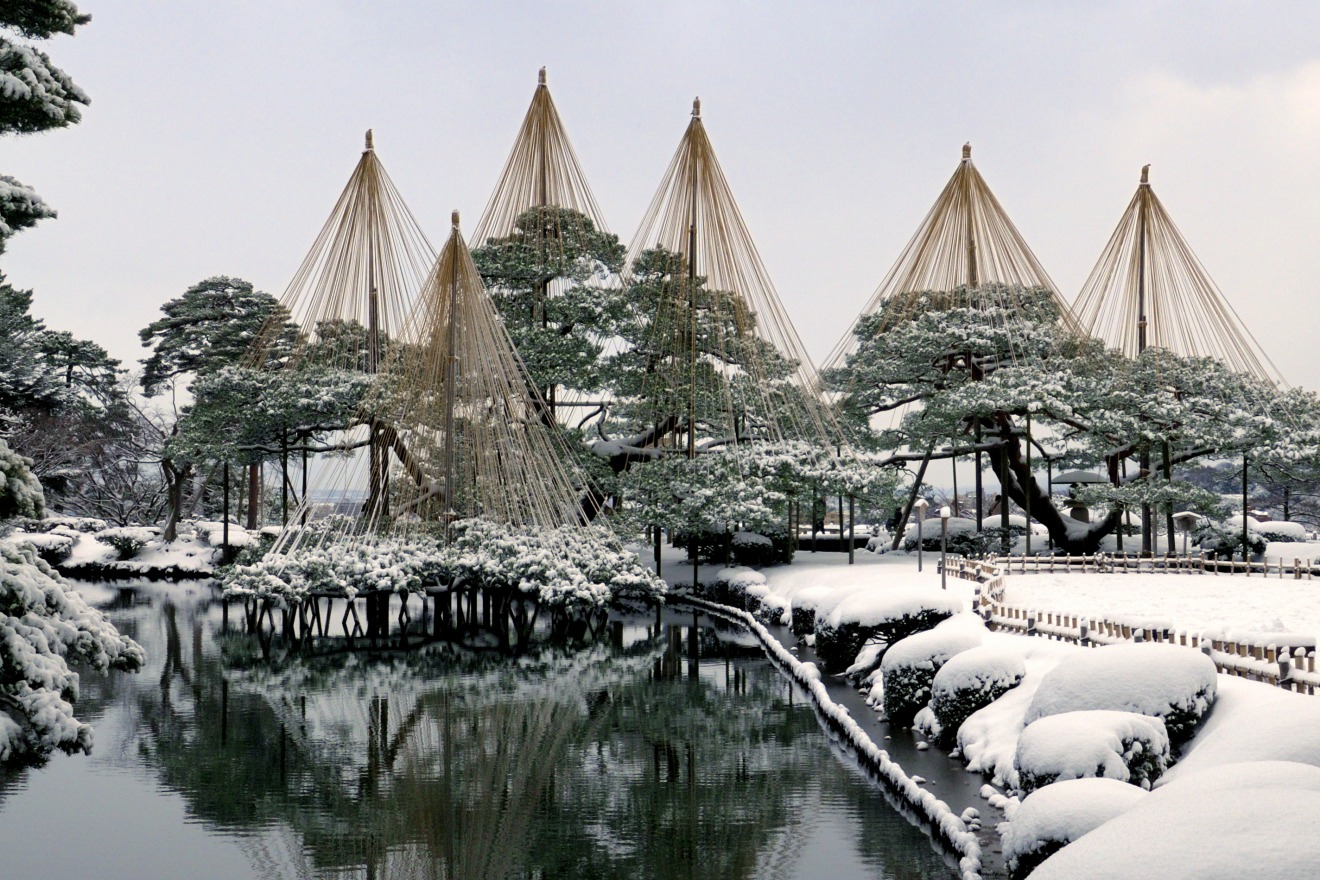
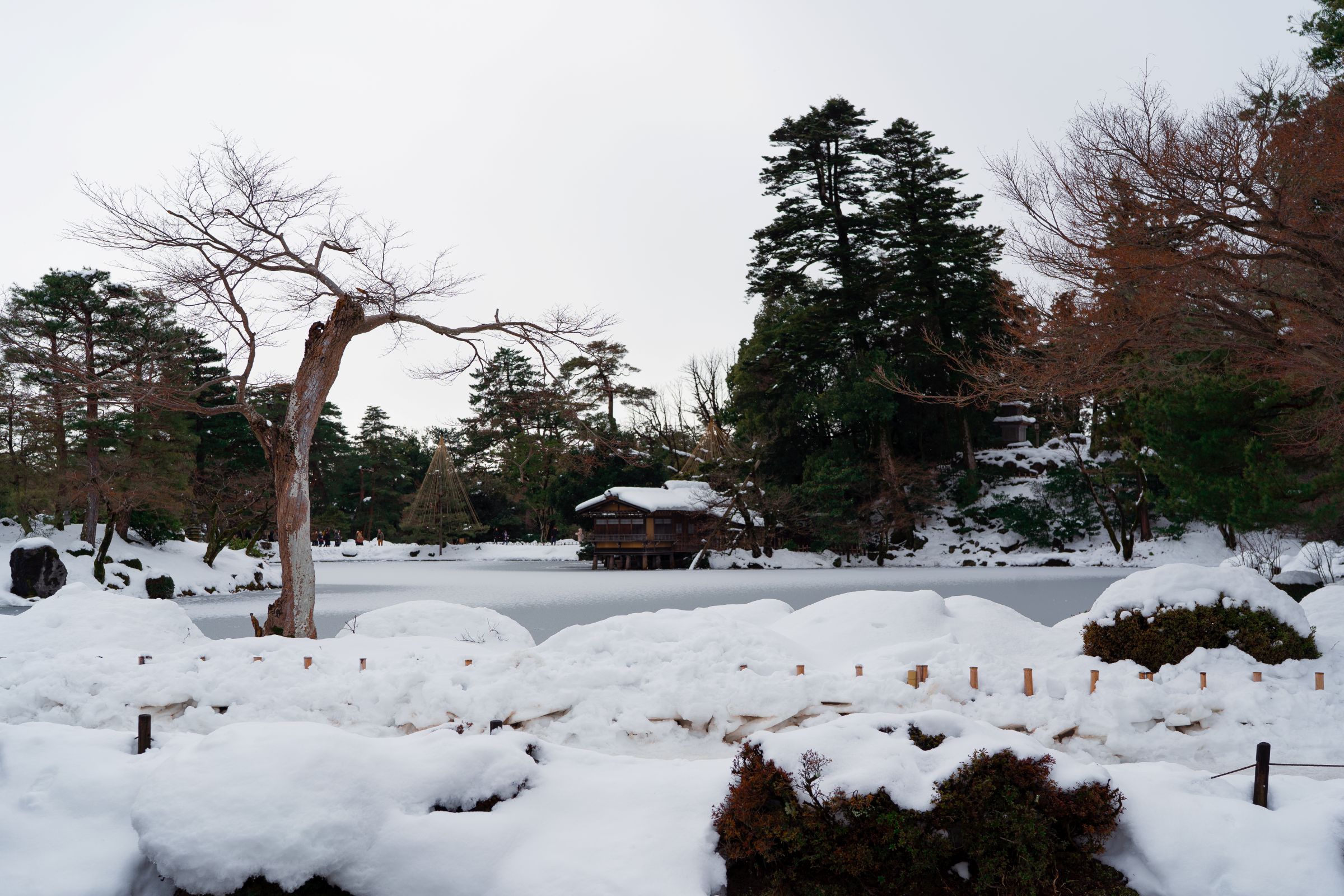
After breakfast, transfer to the station for your limited express train to Kanazawa. The journey passes through mountain scenery and rural landscapes, offering glimpses of snowcapped peaks in winter and verdant countryside in warmer months. Upon arrival, proceed to your selected accommodation. Kurumiya presents a contemporary interpretation of the traditional ryokan, where clean architectural lines are balanced with natural materials and warm hospitality. Alternatively, Lian Kanazawa offers an intimate machiya townhouse stay, thoughtfully restored with minimalist design elements while preserving original wooden beams and latticework. In the afternoon, visit Kenrokuen Garden, regarded as one of Japan’s three most celebrated landscape gardens. Developed over centuries by the ruling Maeda clan, the garden was designed according to classical principles that balance spaciousness, seclusion, water features and panoramic views.
Pause for lunch and immerse yourself in a traditional tea ceremony at Kenrokutei, the historic tea house nestled within the garden grounds and once the setting where the lord of Kanazawa entertained his guests. Every detail, from the tatami mats and handcrafted tea utensils to the tranquil views over the gardens, echoes centuries-old rituals of hospitality and mindfulness, while the seasonal cuisine prepared with locally sourced ingredients completes an experience that harmoniously blends taste, tradition and serenity. Evening at leisure to explore Kanazawa’s quietly sophisticated dining scene.
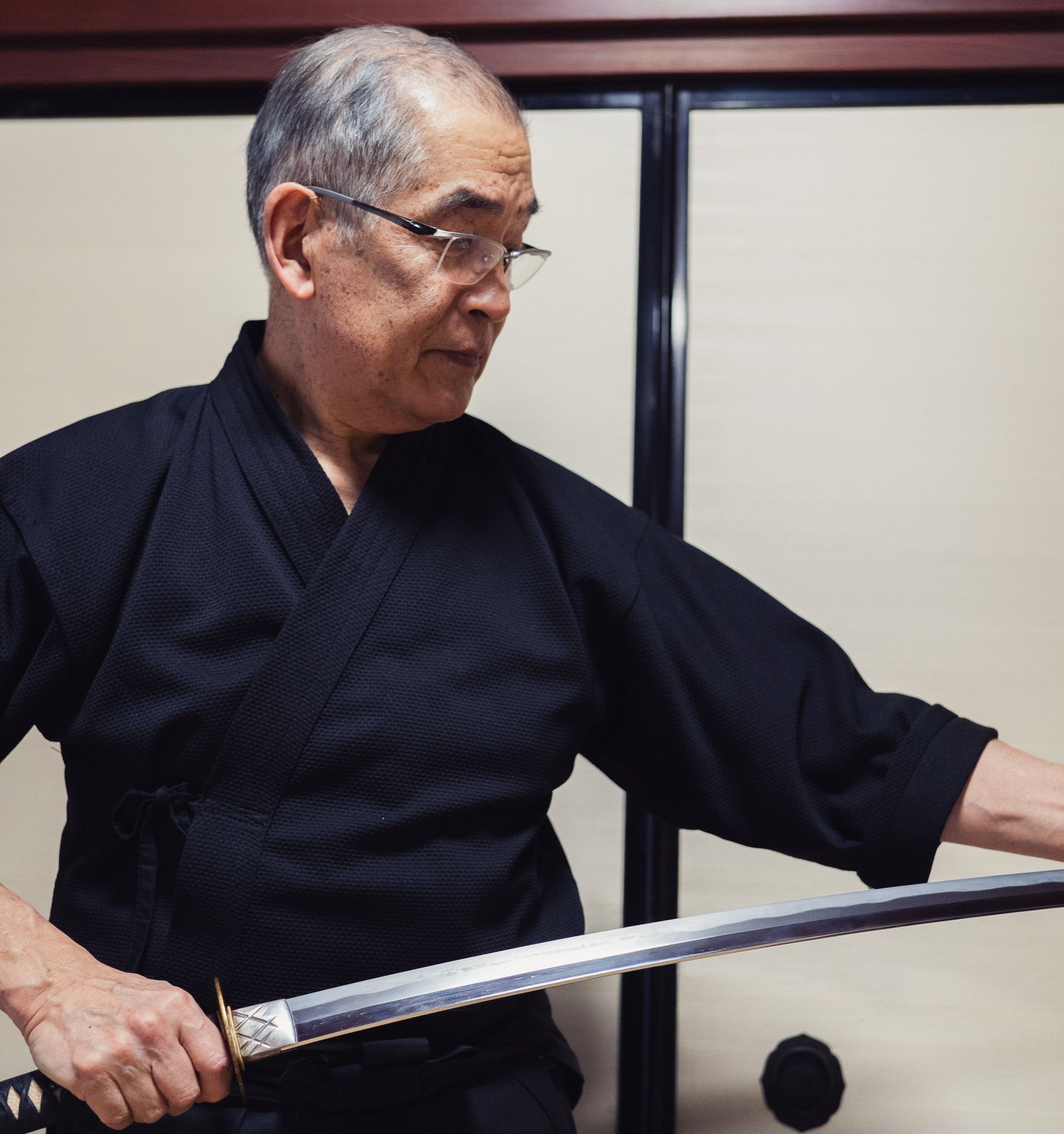
This morning, explore the Nagamachi Samurai District, where narrow lanes and earthen walls preserve the atmosphere of the Edo period. Water channels run alongside the streets, once used by samurai households. Visit Nomura Samurai Residence, a beautifully preserved former samurai residence. The interior features refined tatami rooms, sliding screens, displays of armour and a serene inner garden designed to be admired from within the house. The residence offers insight into the aesthetics and discipline of the warrior class. Experience a private samurai session led by a knowledgeable instructor who is a descendant of a samurai family, offering a rare and personal connection to history. Learn about "Bushido", the moral code that guided samurai conduct, and gain insight into the etiquette, posture and mindset that defined their role in society. During the session, come close to authentic samurai swords dating back over 500 years, handling them with respect and understanding. The experience emphasizes cultural depth and historical appreciation rather than theatrical display, allowing you to connect intimately with the legacy of Japan’s warrior class.
In the afternoon, visit a gold leaf atelier for a hands on workshop in the preserved Higashi Chaya District. Kanazawa produces the majority of Japan’s gold leaf, a craft that has flourished here for centuries. Under expert guidance, apply delicate sheets of gold to create a small keepsake, appreciating the precision and patience required to handle this luminous material.
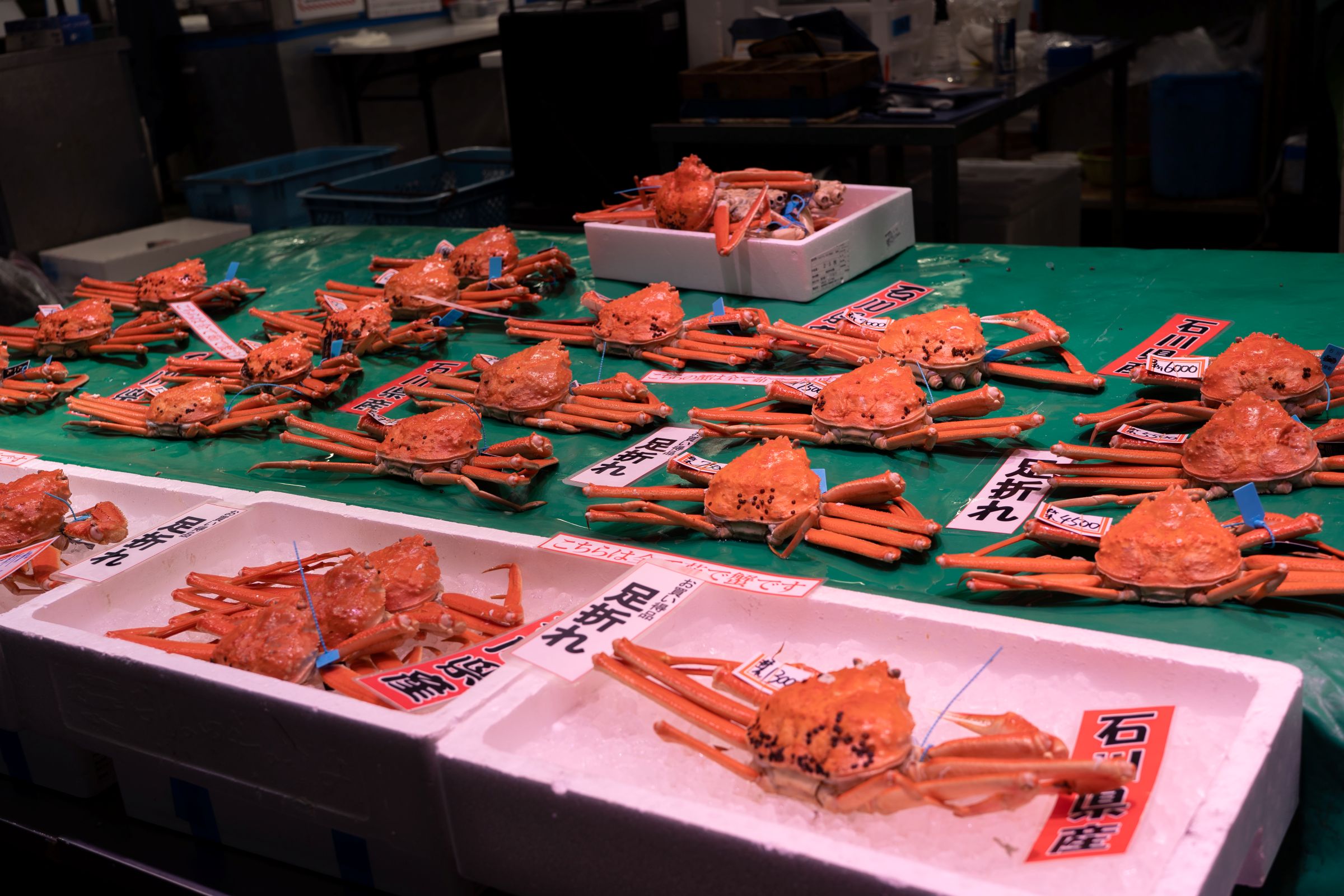
Spend the morning at leisure. You may wish to visit Omicho Market, often called the “Kitchen of Kanazawa,” a lively hub that has been at the heart of the city’s culinary culture for centuries. Here, narrow lanes bustle with vendors offering an extraordinary array of fresh seafood, from glistening fish and delicate shellfish to vibrant crabs and local delicacies like white shrimp. Seasonal vegetables, artisanal pickles, and regional treats fill the stalls, creating a riot of colours, scents, and textures that captivate the senses. The market is not only a place to observe Kanazawa’s celebrated seafood culture but also to engage with it up close, as shopkeepers proudly display their finest catches and share their knowledge of preparation and local traditions. Visit the venerable sake tradition of sake shop Fukumitsuya Kanazawa, the oldest sake brewery in Kanazawa dating back to 1625, where the city’s water, filtered over a hundred years through the foothills of Mount Hakusan, plays an essential role in producing smooth, rich Junmai sake. Here you can learn about the meticulous brewing process passed down through generations, enjoy tasting a selection of their sake, and discover how this regional tradition has thrived on the interplay of outstanding natural water, high‑quality rice and time‑honoured craft techniques.
At the appropriate time, transfer to Kanazawa Station. From here, board the Hokuriku Shinkansen directly to Tokyo Station. The journey takes approximately 2.5 hours and offers reserved seating in either Ordinary or Green Car. For those preferring a more leisurely route, it is also possible to travel by limited express train via Nagano before continuing onwards to Tokyo, though the direct Shinkansen remains the most efficient and comfortable option. Arrive in Tokyo and continue with onward arrangements.
Let’s plan your perfect escape. To start the conversation, contact us via our interactive form or drop us an email at ask@blueskyescapes.co.
Matsumoto, Japanese Alps, Kanazawa
Year round. Winter from December to February offers serene snow covered landscapes and particularly atmospheric garden scenery. Spring and autumn provide mild weather and vibrant seasonal colours.
Easy. Snowshoe walking is conducted at a comfortable pace and suitable for most travellers with moderate fitness.
Available upon request.
As we’ll customise your journey based on your preferences and needs, please note that this indicative price is just a rough estimate. Prices can fluctuate depending on season, type of accommodation and activities/experiences chosen (private vs. shared) etc.
This journey outline is by no means conclusive. It is just a guideline and can be tailored according to your comfort level, interests and preferences for every detail from accommodation to activities.
This journey outline is by no means conclusive. It is just a guideline and can be tailored according to your comfort level, interests and preferences for every detail from accommodation to activities.


